Sustainable Solutions: How E-Waste Recycling Services Are Saving Our Planet
E-waste represents a considerable hazard to the environment, as discarded electronics often contain toxic materials. These hazardous substances can contaminate soil and water, causing extensive damage to surrounding ecosystems. Electronic waste recycling programs offer an effective remedy. They serve the dual purpose of reclaiming precious materials and reducing contamination. Understanding how these services operate and their impact on communities is essential. Pursuing efficient e-waste management brings forth pressing questions regarding individual duties and shared responsibility. What actions should be considered going forward?
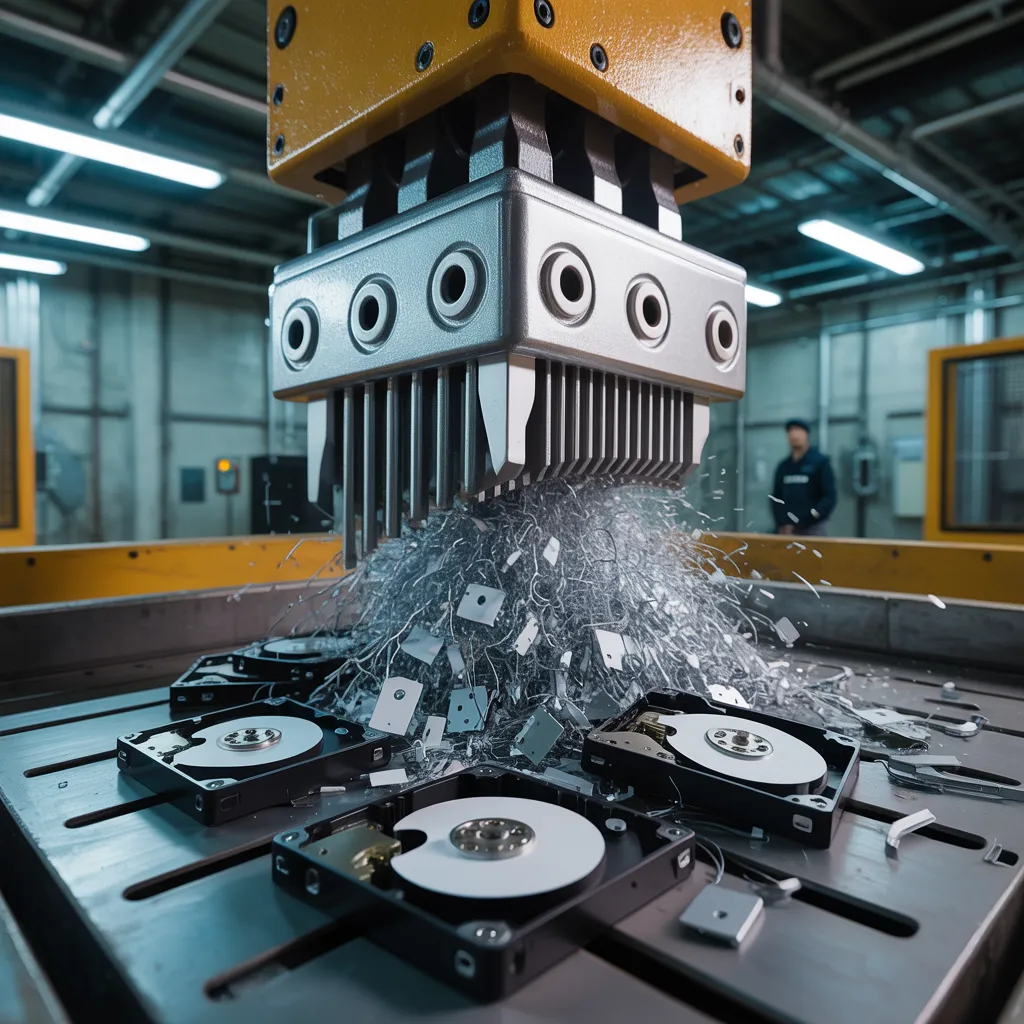
The Reasons E-Waste Is Damaging to the Planet
While technology enriches our daily lives, e-waste creates considerable environmental hazards. Discarded electronic devices, frequently composed of hazardous materials such as cadmium, lead, and mercury, may release harmful substances into the surrounding soil and water supply, posing risks to human health and ecosystems. The swift progression of technology leads to greater consumer replacement of electronic devices, exacerbating the accumulation of e-waste.
Landfills, already overwhelmed with refuse, find it difficult to handle the increasing amounts of discarded devices. Incineration, a common waste management technique, emits dangerous pollutants into the environment, degrading atmospheric conditions. Furthermore, inadequate recycling methods can result in the shipment of electronic waste to underdeveloped nations, where workers may break down equipment without proper protective measures, putting themselves at risk of exposure to hazardous materials. This pattern of negligence and mismanagement highlights the critical demand for eco-friendly recycling alternatives that can reduce the damaging impact of electronic waste on the environment.
What Is E-Waste and Why Is It Important?
E-waste, or electronic waste, includes unwanted electronic equipment like smartphones, computers, and televisions that are no longer functional or needed. This rapidly expanding waste category is noteworthy owing to its accelerating volume, driven by technological advancements and consumer trends. With an increasing number of devices reaching obsolescence, the toll on the environment grows more severe, with toxic materials such as lead, mercury, and cadmium presenting serious hazards to the environment and human well-being.
The importance of addressing e-waste lies not only in mitigating these hazards but also in recognizing the valuable materials it contains. Critical metals and rare earth components can be reclaimed and recycled, decreasing the reliance on mining and protecting natural resources. Through a deeper awareness of e-waste and its consequences, both individuals and organizations can make well-informed choices regarding disposal and recycling, thereby supporting a more sustainable future. Proper management of e-waste is essential for fostering a circular economy and promoting environmental stewardship.
How E-Waste Recycling Works
The recycling of e-waste encompasses an organized procedure designed to recover valuable materials while limiting ecological damage. To begin, discarded electronics are retrieved and sent to dedicated processing centers. Once there, the electronics are carefully categorized to separate hazardous components from recyclable materials.
Next, workers deconstruct the products, separating glass, metals, and plastics. This stage is crucial, as it allows for the extraction of high-value metals like copper, gold, and silver, which can be recycled in modern electronics.
Subsequently, the separated materials are treated with sophisticated techniques, such as chemical treatments and shredding, to cleanse them for recycling.
In the final step, the residual hazardous waste is handled with responsibility, complying with environmental regulations. This multi-step approach not only conserves resources but also minimizes the hazards linked to improper e-waste disposal, securing a more eco-conscious future for electronic consumption.
Advantages of E-Waste Recycling for You and Your Community
While many individuals may not realize it, the positive effects of e-waste recycling extend beyond personal convenience to positively impact entire communities. By responsibly disposing of electronic waste, individuals contribute to a safer environment, reducing harmful substances that can seep into soil and water. This responsible method works to protect local ecosystems and advances public health.
Furthermore, electronic waste recycling supports workforce growth within communities. Regional recycling centers frequently need staff for a range of functions, including collection and processing, thus generating valuable job opportunities for community members. This not only boosts the local economy but also inspires community dedication to sustainable efforts.
Moreover, knowledge about e-waste recycling can lead to learning opportunities, empowering residents to pursue greener alternatives. By participating in e-waste recycling programs, individuals foster a culture of sustainability, prompting others to follow suit. Overall, the shared impact of these actions can result in a more resilient and environmentally responsible community.
How to Pick an E-Waste Recycling Service
Selecting the right e-waste disposal service is crucial for making sure that electronic waste is handled in a responsible and sustainable manner. First, consumers should confirm the company's credentials, such as R2 and e-Stewards certifications, which demonstrate conformance to industry standards for secure waste disposal procedures. Additionally, it is advisable to evaluate the organization's standing by checking reviews and obtaining recommendations from trusted sources.
Furthermore, transparency in the recycling process is vital. A dependable provider should provide clear information about the way e-waste is handled and what becomes of the materials. Furthermore, considering the scope of services provided can prove valuable; various firms may supply retrieval services or extend benefits for recycling.
Furthermore, familiarizing yourself with regional rules concerning e-waste disposal may further shape the evaluation process. Through focusing on these key aspects, people are able to support responsible e-waste disposal alongside encouraging eco-friendly habits.
Ways You Can Participate in E-Waste Recycling?
Participating in e-waste recycling often starts at the local level, where community recycling hubs often provide essential services for proper disposal. Furthermore, participating in community awareness campaigns can strengthen efforts to inform others regarding the importance of responsible e-waste management. Such efforts not only advance environmental sustainability but also cultivate a collective sense of responsibility toward the environment.
Regional Recycling Centers
A wide range of local recycling centers fulfill a critical purpose in the recycling of e-waste, giving communities practical solutions to discard electronic waste in an eco-friendly way. These hubs welcome a selection of electronic equipment, including used computers, handheld devices, and televisions, ensuring that harmful materials are handled safely. The majority of facilities employ knowledgeable personnel who can guide individuals on proper disposal methods, underscoring the benefits of recycling compared to landfilling. In addition, various hubs coordinate scheduled drop-off occasions or specific collection dates, See it here enabling residents to engage without difficulty. By taking advantage of these neighborhood resources, people help build a circular economy, minimizing ecological impact and fostering sustainable behaviors. Connecting with these stations allows communities to address e-waste pollution proactively.
Public Awareness Initiatives
Nearby organizations, schools, and enterprises can collaborate to host events that promote e-waste collection drives. Volunteers can play a pivotal role in promoting knowledge, handing out educational content, and interacting with the surrounding community. By means of these joint initiatives, local inhabitants gain greater awareness and encouragement to properly recycle their e-waste, thus playing a meaningful role in creating a more environmentally responsible future.
Frequently Asked Questions
Which Types of Electronics Are Recyclable?
Many different electronics are able to be recycled, including laptops, televisions, smartphones, printers, computers, and gaming consoles. Furthermore, peripherals such as mice, keyboards, and batteries are equally appropriate for recycling, aiding in eco-friendly conservation initiatives.
Are There Any Costs Associated With E-Waste Recycling?
Yes, e-waste disposal may involve charges, subject to the service provider. Certain providers apply costs for pickup or handling, while others provide no-cost solutions, often subsidized by the resale of recovered materials.
What Are the Benefits of E-Waste Recycling for Businesses?
Businesses can benefit from e-waste recycling by reducing disposal costs, enhancing their environmental image, meeting compliance standards, recovering valuable materials, and creating potential earnings via resale, ultimately contributing to a more sustainable operational strategy.
What Occurs with Data on Recycled Devices?
Data on recycled electronics is frequently irretrievably wiped or destroyed during processing. This guarantees confidential data remains secure, blocking unwanted intrusion while permitting resources to be repurposed securely and sustainably in new products.
Are Broken Electronics Eligible for Recycling?
Yes, defective electronics are able to be recycled. Several facilities receive defective devices, ensuring responsible disposal and retrieval of precious materials. Doing so helps decrease the environmental footprint while promoting responsible recycling practices to handle electrical waste properly.